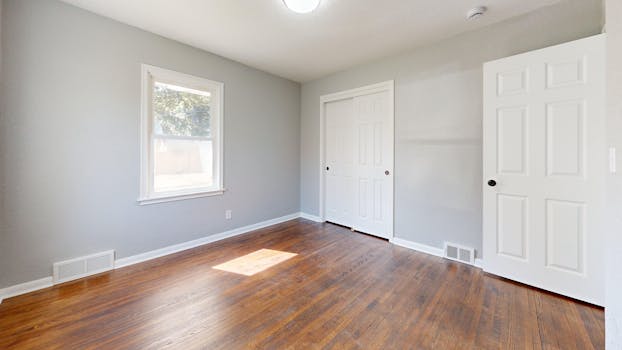
Many homeowners approach renovation with a dream and a budget, but the bridge between the two can feel like a shadowy chasm. You’ve probably typed “house renovation cost estimator” into a search bar, hoping for a magic number that will instantly tell you if your project is feasible. While these tools are invaluable, their real power lies not in spitting out a precise figure, but in illuminating the intricate web of factors that shape your project’s price tag. Let’s pull back the curtain and understand what a good house renovation cost estimator truly offers, and how to use it effectively.
Why “Just a Number” Isn’t Enough
The temptation is to find the simplest calculator and expect a definitive answer. However, a true understanding of renovation costs goes deeper. Think of it less like a vending machine for renovation prices and more like a sophisticated diagnostic tool for your ambitious home dreams. It’s about gaining insight, not just a single, potentially misleading, figure. In my experience, homeowners who treat estimators as gospel often find themselves blindsided by unexpected expenses down the line.
Navigating the Variables: What Drives Renovation Costs?
A robust house renovation cost estimator doesn’t just ask for the square footage of your kitchen. It probes into the details. These tools are designed to help you consider:
Scope of Work: Is it a cosmetic update or a structural overhaul? Are you knocking down walls, rerouting plumbing, or just repainting? The complexity of the tasks directly impacts labor and material costs.
Material Selections: This is a huge differentiator. Are you opting for budget-friendly laminate or high-end marble countertops? Custom cabinetry versus ready-made? These choices can swing a budget by tens of thousands of dollars.
Labor Rates: The cost of skilled tradespeople varies significantly by region and by the specific expertise required. A general contractor will have a different fee structure than a specialized electrician or a master plumber.
Permits and Fees: Don’t forget these often-overlooked administrative costs. Building permits, inspections, and potential HOA approvals can add a noticeable chunk to your overall expense.
Unexpected Issues: Older homes, in particular, have a knack for revealing hidden problems like faulty wiring, leaky pipes, or structural damage once walls are opened. A good estimator acknowledges this inherent risk.
Leveraging Online Tools Wisely
When you’re using an online house renovation cost estimator, remember its purpose. It’s a starting point for research and budgeting.
- Be Specific (as much as possible): The more detail you can feed into the tool – room type, desired finishes, general size – the more relevant the estimate will be.
- Use Multiple Tools: Don’t rely on just one. Comparing estimates from several reputable sources can give you a broader understanding of the potential cost range.
- Factor in a Contingency: I always advise clients to add at least 10-20% to any estimate for unforeseen circumstances. It’s far better to have it and not need it, than to need it and not have it.
- Understand the “Average”: Most estimators provide an average cost per square foot. This is a useful benchmark, but it rarely accounts for the unique demands of your specific project.
Beyond the Estimate: The Value of Professional Consultation
While digital tools are fantastic for initial exploration, they can’t replace the nuanced advice of a seasoned professional. When you’re ready to move from conceptual budgeting to concrete planning, consider these steps:
Get Quotes from Contractors: Once you have a clearer idea of your scope and budget, solicit detailed bids from multiple general contractors. This is where you’ll get the most accurate picture for your specific project.
Consult with Designers/Architects: For more complex renovations, professionals can help optimize your design for both aesthetics and cost-effectiveness, often identifying solutions you might not have considered.
Talk to Tradespeople Directly: If you’re managing parts of the renovation yourself or have specific areas of concern, getting input from electricians, plumbers, or tilers can be incredibly insightful.
Uncovering the True Cost of Your Dream Renovation
A house renovation cost estimator is a powerful ally, but it’s not a crystal ball. It’s a guide, a researcher, and a conversation starter. It helps you ask the right questions, identify potential pitfalls, and ultimately, build a realistic financial roadmap for transforming your house into the home you’ve always wanted. The true value comes from understanding why certain costs are incurred and how your choices impact the final figure.
So, the next time you’re browsing renovation ideas, don’t just look for the cheapest calculator. Look for the one that encourages you to think critically about materials, labor, and the inevitable surprises that come with breathing new life into your home. It’s about proactive planning, informed decisions, and ultimately, a renovation project that brings you joy, not financial stress.
Wrapping Up: Are You Ready to Budget with Clarity?
Ultimately, a house renovation cost estimator is a tool to empower your decision-making. It helps you move from speculative dreaming to grounded planning, significantly reducing the likelihood of budget blowouts. By understanding the variables and using these tools strategically, you can approach your renovation with confidence and clarity.
Now, consider this: What is the single biggest renovation cost you fear the most, and how can a good estimator help you prepare for it?
Comment here
You must be logged in to post a comment.